July 14, 2026
Your home is your sanctuary, shielding you from extreme weather, fluctuating temperatures, and the elements. At the top of this defense system is your roof. Unfortunately, many homeowners adopt an "out of sight, out of mind" mentality when it comes to their overhead protection. Ignoring early indicators of deterioration can transform a small, easily manageable issue into a catastrophic structural failure. At Taylore Roofing, we have seen firsthand how proactive maintenance saves property owners thousands of dollars and immeasurable stress. Knowing when to call the professionals for a timely roof repair can make all the difference. In this comprehensive guide, we will explore seven unmistakable warning signs that your home requires immediate attention. By keeping a vigilant eye out for these red flags, you can ensure your family remains safe and your property value remains intact.
Sign 1: Spotting Missing or Cracked Shingles
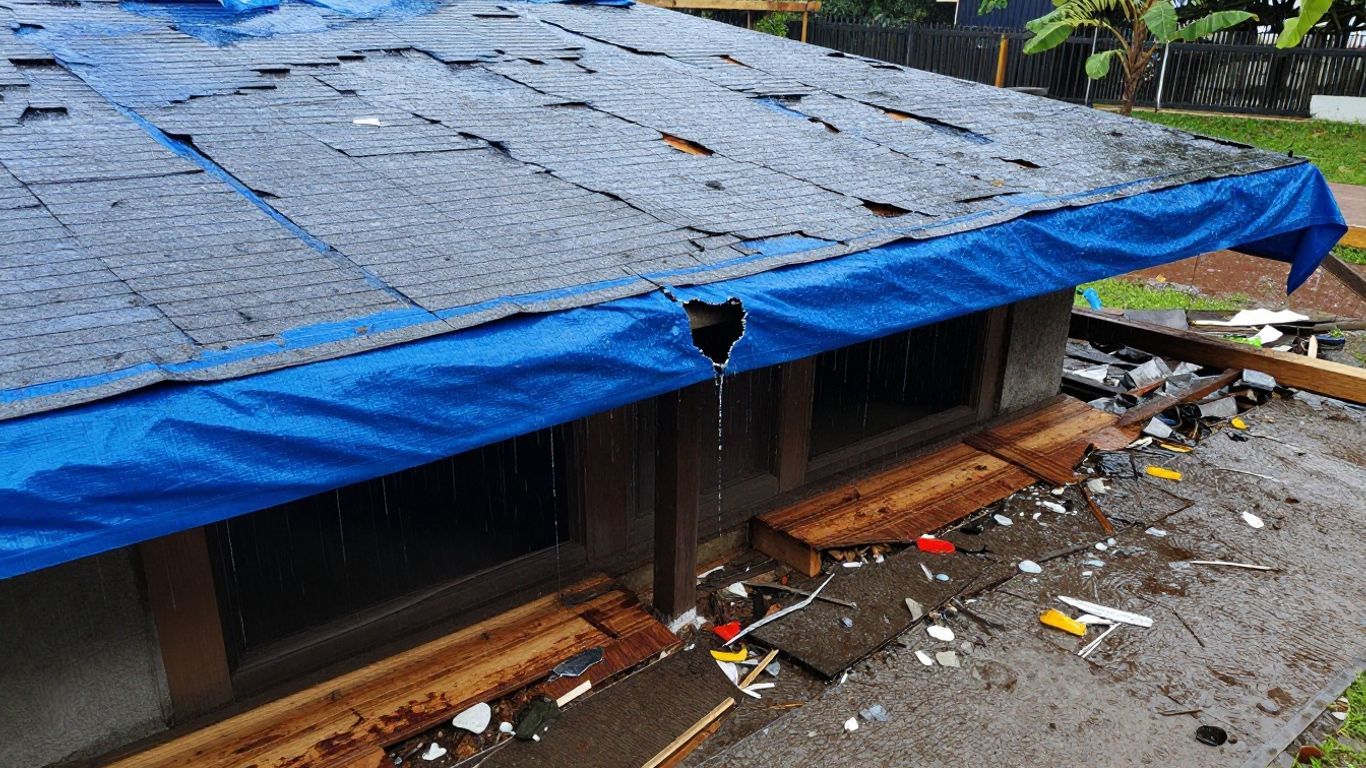
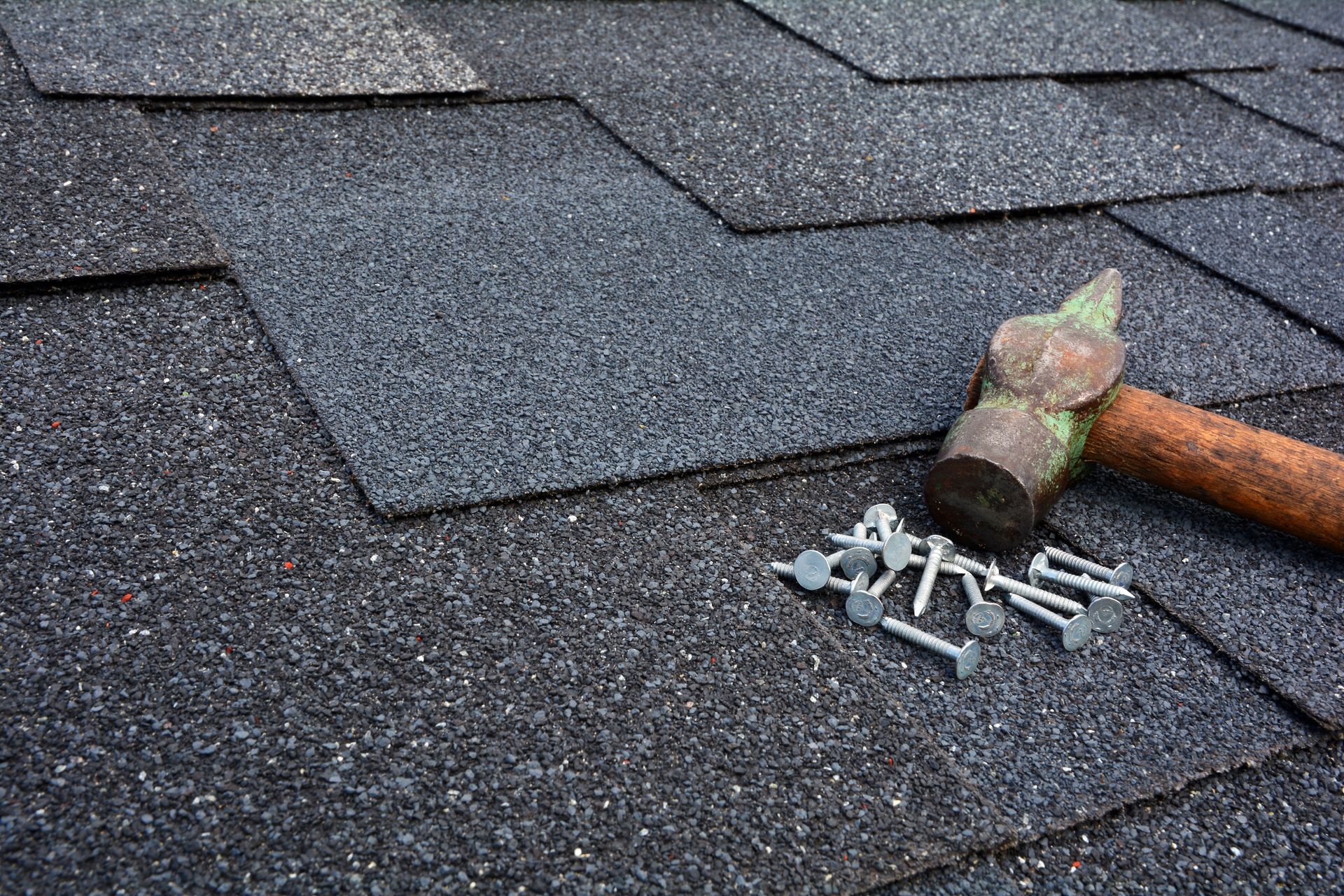
When assessing the health of your property's exterior, the most visible layer is always the best place to start. Asphalt shingles are designed to lie flat against the decking, overlapping seamlessly to shed water away from the structure. If you notice shingles that are buckling, curling at the edges, or entirely missing after a heavy storm, your home's waterproofing is severely compromised. High winds, heavy hail, and prolonged exposure to harsh ultraviolet rays can cause asphalt material to dry out and become brittle. Once the shingles lose their structural integrity, they can no longer protect the underlayment. Addressing this issue promptly through targeted roof repair is essential to prevent moisture from seeping into the wooden decking below. Even a single missing shingle creates a vulnerability that water will inevitably find and exploit during the next heavy rainfall.
Sign 2: Noticing Sagging or Uneven Rooflines
A structurally sound roofing system should maintain straight, crisp lines along its ridges and slopes. If you step back from your property and notice a visible sag, dip, or drooping section, you are looking at a serious structural emergency. Sagging typically indicates that the foundational supports—such as the rafters, trusses, or wooden decking—have been compromised by prolonged moisture exposure, hidden rot, or excessive weight from winter snow and ice accumulations. This is not merely an aesthetic concern; it is a profound safety hazard. A collapsing structure threatens the entirety of the house and the inhabitants inside. When you observe uneven lines, it is crucial to contact Taylore Roofing immediately. Catching the problem early might allow for foundational reinforcement and localized fixes to save the overarching structure.
Sign 3: Finding Water Stains on Ceilings
Often, the most glaring evidence of exterior deterioration presents itself right inside your living space. If you look up and see unsightly brown, yellow, or copper-colored rings spreading across your ceilings or trailing down your walls, moisture has already penetrated your home’s main defenses. These water stains are classic indicators of an active leak. By the time a leak becomes visible on the interior drywall, water has likely traveled through the exterior decking, attic insulation, and framing beams. Ignoring these stains can lead to severely damaged drywall, compromised electrical systems, and hazardous structural rot. Tracing a leak to its exact source can be incredibly tricky, as water can enter from one vulnerability and travel along beams before dropping onto the ceiling. Hiring experienced professionals ensures the leak is properly diagnosed and fixed before the damage multiplies.
Sign 4: Discovering Granules in Rain Gutters
Standard asphalt shingles are coated with crushed rock granules that protect the asphalt base from the sun’s harmful ultraviolet rays and add necessary fire resistance. Over time, it is completely normal for a few loose granules to wash away during heavy rainstorms. However, if you are cleaning your gutters and notice a thick, sludge-like buildup of granules, your shingles are rapidly nearing the end of their functional lifespan. Without these protective granules, the shingles will bake in the sun, accelerating the aging process and causing them to crack, blister, or warp. You might also notice dark "bald spots" on the shingles themselves. If your system is relatively new but shedding excessively, it could be a sign of a defective product or improper installation. Consulting an expert for a prompt roof repair or inspection will help determine the best course of action.
Sign 5: Seeing Sunlight Through Attic Boards
Your attic serves as an excellent diagnostic center for your home's overhead health. On a bright, sunny day, climb into your attic space and turn off any artificial lights. Wait a few moments for your eyes to adjust to the darkness, and then carefully inspect the underside of the wooden decking. If you can see pinpricks or beams of daylight shining through the boards, you have a definitive problem. Where light can pass through, rainwater, cold air, and even intrusive pests can easily follow. Sunlight visible through the decking often points to degraded underlayment or damaged flashing around chimneys and ventilation pipes. Catching this early is vital. Sealing these gaps and replacing the compromised sections will restore your home’s watertight seal and protect the insulation from becoming saturated and ineffective.
Sign 6: Experiencing Spikes in Energy Bills
While seasonal fluctuations in utility costs are normal, a sudden, unexplained spike in your heating or cooling bills can often be traced back to poor attic insulation or compromised exterior ventilation. Your home's overhead structure plays a massive role in regulating the internal temperature. If hot air is escaping during the winter or infiltrating during the summer due to physical gaps, damaged decking, or failed weatherproofing, your HVAC system has to work in overdrive to maintain a comfortable climate. This constant strain not only inflates your monthly expenses but also wears out your expensive heating and cooling equipment prematurely. Ensuring your home is properly sealed and ventilated is a vital aspect of property maintenance that consistently pays dividends. A thorough professional inspection can identify these hidden thermal leaks and dictate the necessary steps to improve your home's overall energy efficiency.
Sign 7: Identifying Moss or Fungi Growth
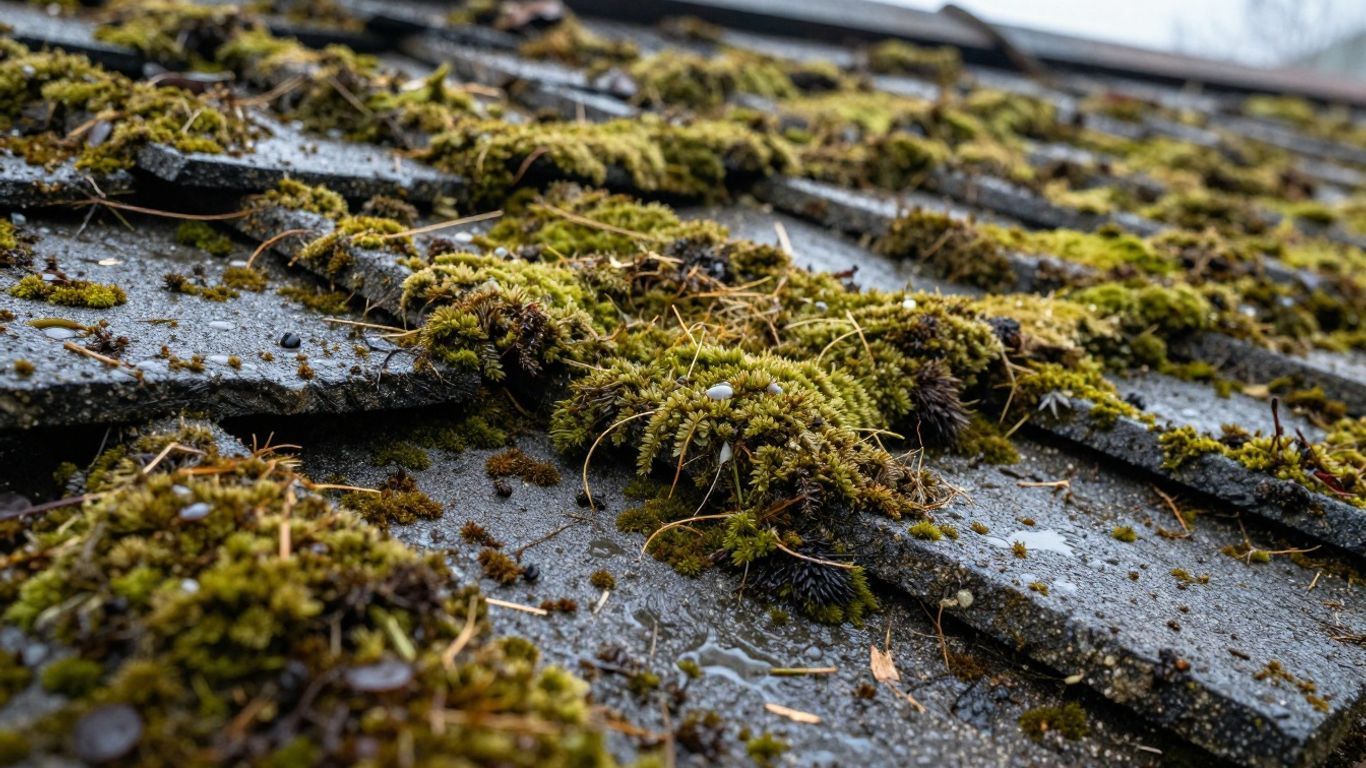
While a moss-covered cottage might look picturesque in a fairy tale or a painting, moss, mold, or fungi growing on your actual home is a major red flag. Moss thrives in cool, damp, shaded environments. Once it takes root on your shingles, it acts like a dense sponge, continuously absorbing and holding moisture directly against the surface of your home. This persistent dampness can cause the underlying asphalt materials to degrade rapidly and the wooden decking to succumb to rot. Additionally, the aggressive roots of the moss can physically lift the edges of the shingles, breaking the watertight seal and leaving your home vulnerable to leaks. Simply scraping the moss away yourself is rarely enough, as it can damage the granules and leave invisible spores behind. Professional cleaning and targeted roof repair are necessary to completely eradicate the growth and fix any subsequent damage.
When faced with the warning signs listed above, many property owners immediately fear the worst: a complete, incredibly expensive tear-off and replacement project. However, not every leak or missing shingle necessitates a brand-new installation. The decision between a localized fix and a full replacement depends heavily on the age of your system, the quality of the original installation, and the overall severity of the deterioration.
According to Today's Homeowner, roof repair is best if the roof is under 15 years old and damage is minor. If your system is relatively young, has been well-maintained over the years, and is suffering from isolated issues—such as a few blown-off shingles from a recent windstorm or a minor flashing leak around an aging skylight—restoration is typically the most cost-effective and logical route to take.
Conversely, if your asphalt shingle system is approaching or exceeding the 20-year mark, pouring money into continuous, overlapping patch jobs may be financially inefficient. In these older cases, the materials have naturally degraded, and resolving one issue will only serve as a temporary bandage until the very next leak springs.
At Taylore Roofing, our expert technicians pride themselves on providing honest, transparent assessments. We thoroughly evaluate the overall condition of your property and help you make an informed, pressure-free decision that aligns perfectly with your budget and your long-term homeownership goals. If you have noticed any of the concerning symptoms discussed in this guide, contact us today to schedule a comprehensive property inspection and secure the roof repair your home deserves.